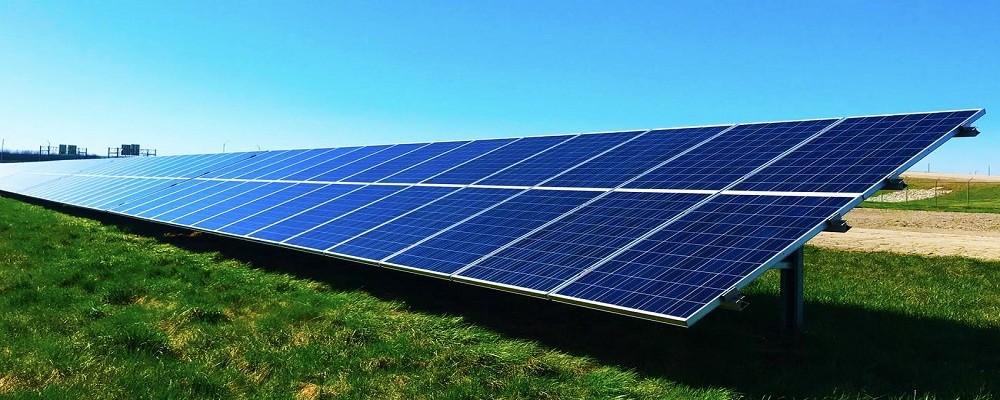
Solar panels have become a popular choice for homeowners looking to harness clean and renewable energy. With the increasing awareness of environmental concerns and the rising costs of traditional energy sources, many are turning to solar power as a sustainable alternative. However, the success of your solar energy venture hinges significantly on the expertise of the Solar panel contractor you choose. In this article, we will delve into the critical aspects of selecting the right contractor to empower your home with solar energy.
I. Introduction
A. Importance of Solar Panels
The demand for solar panels has surged in recent years due to their positive impact on the environment and the potential for substantial cost savings. As technology advances, solar energy has become an accessible and efficient solution for powering homes.
B. Choosing the Right Contractor
While the decision to switch to solar energy is commendable, it's equally crucial to select a reputable and experienced solar panel contractor. The market is flooded with options, making it essential to navigate through various considerations before making a choice.
II. Advantages of Solar Energy
A. Environmental Benefits
One of the primary reasons homeowners opt for solar panels is their environmentally friendly nature. Solar energy is a clean and renewable resource that reduces reliance on fossil fuels, subsequently lowering carbon emissions and combating climate change.
B. Cost Savings
Beyond the environmental impact, solar panels offer substantial long-term cost savings. By harnessing the power of the sun, homeowners can significantly reduce or even eliminate their electricity bills, making solar energy an economically viable choice.
III. Key Factors in Choosing a Solar Panel Contractor
A. Experience and Expertise
When entrusting a contractor with the installation of solar panels, experience matters. An experienced contractor brings valuable knowledge and expertise to ensure a seamless installation process.
B. Reputation and Reviews
Before making a decision, delve into the contractor's reputation. Explore online reviews and testimonials to gauge customer satisfaction and the contractor's commitment to quality service.
C. Quality of Products
Not all solar panels are created equal. Investigate the quality of the products offered by the contractor. Opting for high-quality panels ensures durability and optimal energy production.
D. Warranty and Customer Support
A reliable contractor stands behind their work with comprehensive warranties. Additionally, excellent customer support is vital for addressing any issues or inquiries that may arise after installation.
IV. Researching Potential Contractors
A. Online Reviews and Testimonials
Utilize online platforms to gather insights from previous clients. Reviews and testimonials provide firsthand accounts of the contractor's performance and reliability.
B. Comparing Quotes and Services
Collect quotes from multiple contractors to compare pricing and services. A thorough comparison helps in making an informed decision based on your budget and requirements.
C. Seeking Recommendations
Word of mouth remains a powerful tool. Seek recommendations from friends, family, or neighbors who have had positive experiences with solar panel installations.
V. Questions to Ask a Solar Panel Contractor
A. Certification and Licensing
Ensure the contractor holds the necessary certifications and licenses to guarantee compliance with industry standards.
B. Installation Process
Gain a clear understanding of the installation process, including the timeline and potential disruptions to your daily routine.
C. Maintenance Requirements
Inquire about the maintenance needs of the installed solar panels and any associated costs.
D. Financing Options
Discuss available financing options, including purchase, lease, and potential government incentives or rebates.
VI. The Importance of Site Assessment
A. Customized Solutions
A reputable contractor conducts a thorough site assessment to tailor the solar panel installation to your specific needs and energy consumption patterns.
B. Sun Exposure and Shading
|