|
Handbag material is not a minor detail. It defines how a bag feels in your hand, how it ages, how it fits into your lifestyle, and whether it earns long-term trust or short-term regret. Understanding materials helps you choose a designer handbag that aligns with how you live, not just how you dress. For modern designs crafted with intentional material choices, you can explore real-world examples at https://melaniva.com/collections/handbag.
Genuine Leather
Leather remains the benchmark for durability and timeless appeal. Made from animal hide, it offers natural strength, breathability, and a texture that improves with age. A leather handbag develops character over time, forming a patina that reflects how it has been used rather than wearing out.

This material suits women who value longevity and structure. Leather holds shape well, resists tearing, and adapts to both formal and everyday settings. However, it requires basic care and is best for those comfortable with natural materials and maintenance.
Vegan Leather
Vegan leather is designed to replicate the look and feel of leather without using animal products. It is typically made from synthetic materials or plant-based alternatives and appeals to women who prioritize ethical considerations or prefer lighter-weight bags.
Modern vegan leather has improved significantly in texture and finish. It delivers a clean, polished appearance and often requires less maintenance than genuine leather. While it may not age the same way, it offers consistency and accessibility, especially for everyday use.
Faux Leather
Often confused with vegan leather, faux leather is usually plastic-based and focused on affordability rather than sustainability. It can look sleek when new but tends to show wear faster, especially along edges and handles.
This material works for trend-driven or short-term use but is less ideal for long-lasting investment pieces. Understanding this distinction helps set realistic expectations before purchase.

Fabric and Canvas
Fabric handbags, including canvas, cotton, or blended textiles, offer flexibility and lightness. They are commonly used for casual, travel, or daytime bags where comfort and ease matter more than structure.
Fabric bags feel relaxed and practical but provide less protection for contents and can stain more easily. They suit women with informal lifestyles who value ease over polish.
Nylon and Technical Materials
Nylon and technical fabrics are chosen for function. Lightweight, water-resistant, and durable, these materials are popular for travel and active use. They prioritize performance over aesthetics but have evolved to include more refined silhouettes.
These materials are ideal for women who are constantly on the move and need reliability without worrying about weather or wear.
Mixed Materials
Some handbags combine leather with fabric, metal accents, or synthetic trims to balance aesthetics and function. Mixed-material designs can offer visual interest while improving durability or reducing weight.
The success of these handbags depends on thoughtful construction. When done well, they provide versatility and modern appeal without compromising integrity.
How to Choose the Right Material for You
The best handbag material depends on three things: how often you use it, where you carry it, and how much care you are willing to give. Leather suits long-term daily use and professional settings. Vegan leather works well for conscious consumers who want a refined look with minimal upkeep. Fabric and nylon support casual, mobile lifestyles.
There is no universally superior material. The right choice is the one that aligns with your values, habits, and expectations.
Final Insight
A handbag’s material tells a story before you even open it. It signals durability, intention, and lifestyle compatibility. When you understand what each material offers, you stop guessing and start choosing with clarity.
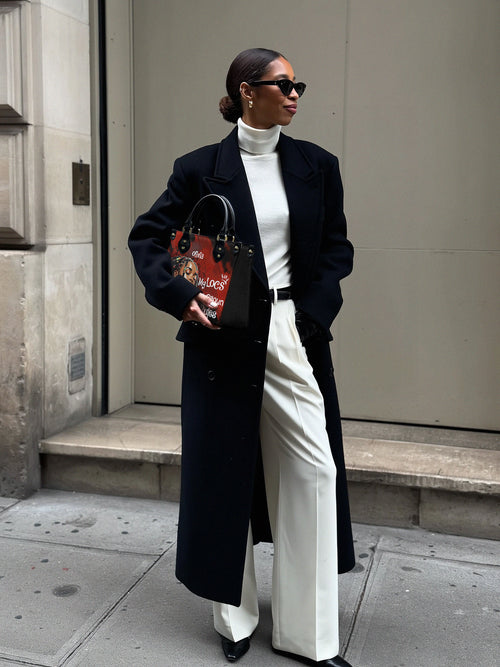
Well-designed handbags begin with the right material choice.
Read more: How to Choose the Right Handbag for Your Lifestyle
|