Guest
Guest
Apr 21, 2026
12:36 AM

|
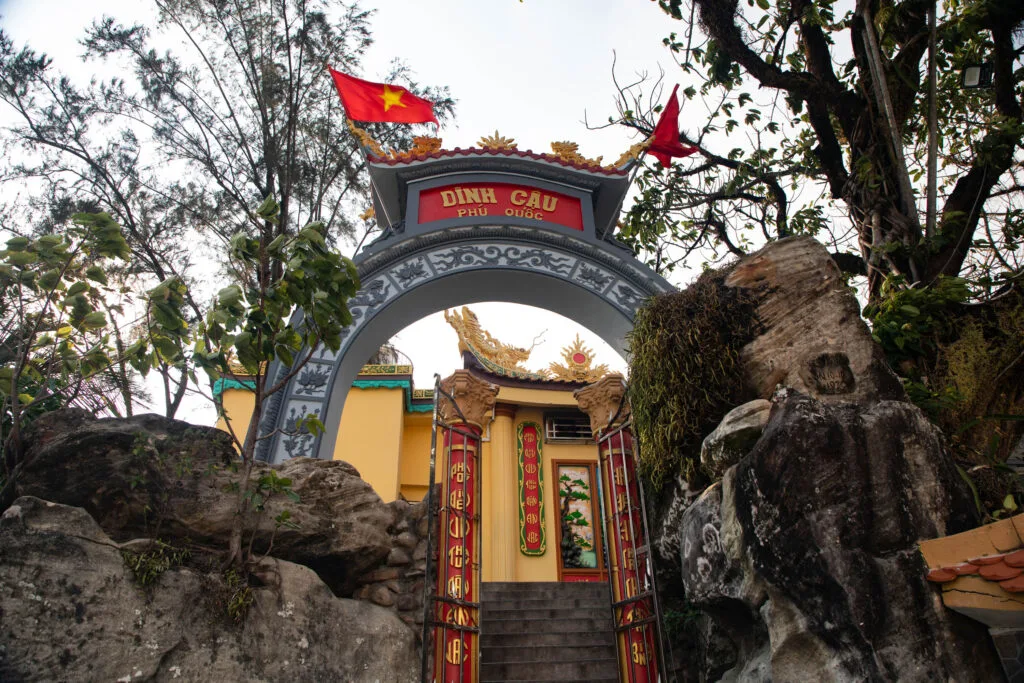
In the heart of Vietnam lies the Dinh Cau Temple, a revered architectural marvel that not only serves as a spiritual haven but also stands as a testament to the intricate design principles embedded in its construction. This expert analysis unveils the architectural secrets of Dinh Cau Temple, exploring its design elements and their cultural significance. By diving deep into the temple’s structure, materials, and symbolic features, we can appreciate the harmonious blend of aesthetics and spiritual purpose that defines this remarkable site.
Xem Chi Tiet Bai Viet Tai: dinh cau temple
An Overview of Dinh Cau Temple’s Architectural Design
Dinh Cau Temple, located on Phu Quoc Island, showcases a unique architectural style that reflects the cultural heritage of Vietnam. The temple is not merely a shrine; it is an embodiment of local beliefs and historical narratives. The design principles employed in its construction reveal a profound understanding of both functionality and symbolism.
Xem Tai: Why Travelers Visit Dinh Cau Temple
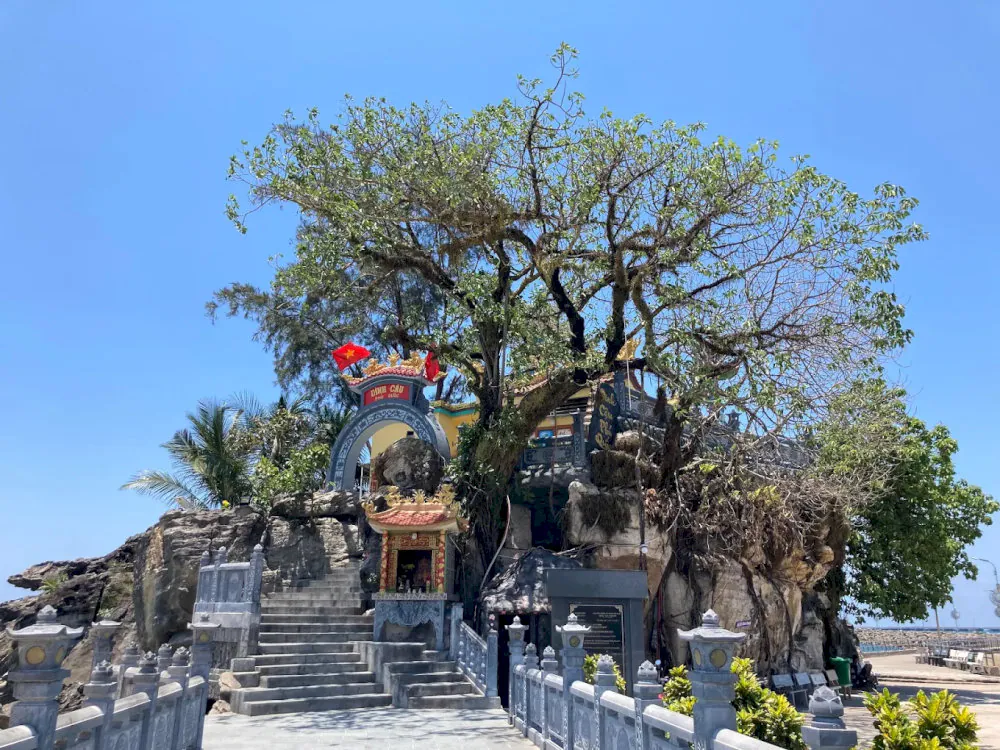
Structural Elements of Dinh Cau Temple
At first glance, the Dinh Cau Temple impresses with its distinct structural elements. Key features include:
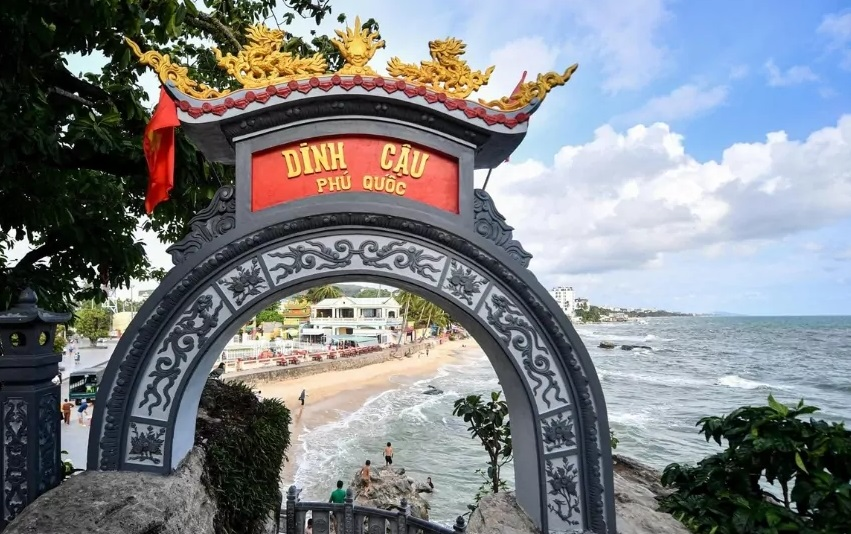
- Materials: The primary materials used, such as stone and wood, are sourced locally, creating a deep-rooted connection with the environment.
- Roof Design: The multi-tiered roof structure is aesthetically pleasing and practical, allowing for proper rain drainage while symbolizing spiritual ascent.
- Orientation: The temple is strategically oriented towards the east, inviting the rising sun and symbolizing rebirth and new beginnings.
Cultural Significance of the Design Principles
The design principles employed in Dinh Cau Temple are steeped in cultural significance. Each element serves a purpose both practical and spiritual. For instance:
- Symbolism of Animals: Sculptures and carvings of mythical creatures adorn the temple, representing protection and blessings.
- Use of Color: Bright colors used in the temple’s decor are not just for aesthetic appeal but also hold spiritual meanings, enhancing the overall atmosphere.
- Natural Integration: The temple’s design incorporates natural elements, promoting harmony between man-made structures and the surrounding beauty of Phu Quoc.
Architectural Influences and Historical Context
The architecture of Dinh Cau Temple is influenced by various historical contexts, showcasing a blend of indigenous styles and foreign elements. Influences can be traced back to:
- Traditional Vietnamese Architecture: The temple adheres to principles found in traditional Vietnamese architecture, emphasizing symmetry and balance.
- Chinese Architectural Elements: Certain decorative aspects reflect Chinese design, highlighting the historical interactions between Vietnam and its neighboring countries.
- Local Myths and Legends: The temple’s architecture tells the stories of local legends, making the structure a living narrative of cultural identity.
The Role of Dinh Cau Temple in the Community
Dinh Cau Temple plays a pivotal role in the local community, not only as a religious site but also as a cultural hub. Its significance is evident in:
- Cultural Gatherings: The temple hosts various local festivals, bringing together community members and fostering a sense of belonging.
- Tourism and Education: As a tourist attraction, the temple educates visitors about Vietnamese culture and architecture, encouraging cultural exchange.
- Spiritual Practices: The site serves as a place for worship, where locals and visitors alike seek blessings and guidance, reinforcing spiritual connections.
Conclusion: Discovering the Hidden Gems of Dinh Cau Temple
In summary, the architectural secrets of Dinh Cau Temple reveal a rich tapestry of design principles and cultural significance that continue to captivate visitors and scholars alike. From its structural elements to its historical influences, every aspect of the temple tells a story of architectural ingenuity and cultural pride. As you explore the wonders of Dinh Cau Temple, we encourage you to delve deeper into the layers of meaning it holds. Discover its beauty firsthand and appreciate the artistry that defines this iconic landmark. For more insights and expert analyses, visit our website to learn about the architectural marvels around the world. CORONA RESORT & CASINO is a premier luxury destination located in the northern part of Phu Quoc Island, known as Vietnam’s first integrated resort and entertainment complex. With over 3,000 five-star rooms managed by global brands, CORONA RESORT & CASINO offers diverse experiences from world-class dining and entertainment to attractions like VinWonders Phu Quoc and Vinpearl Safari. At its core is Corona Casino — the largest and most modern casino in Vietnam — delivering a premium leisure and gaming experience.
#dinh_cau_temple, #dinhcautemple, #CORONA_RESORT_&_CASINO, #CORONARESORT&CASINO, #Luxury_resort_and_entertainment_tourism
|