Guest
Guest
Apr 21, 2026
1:51 AM

|
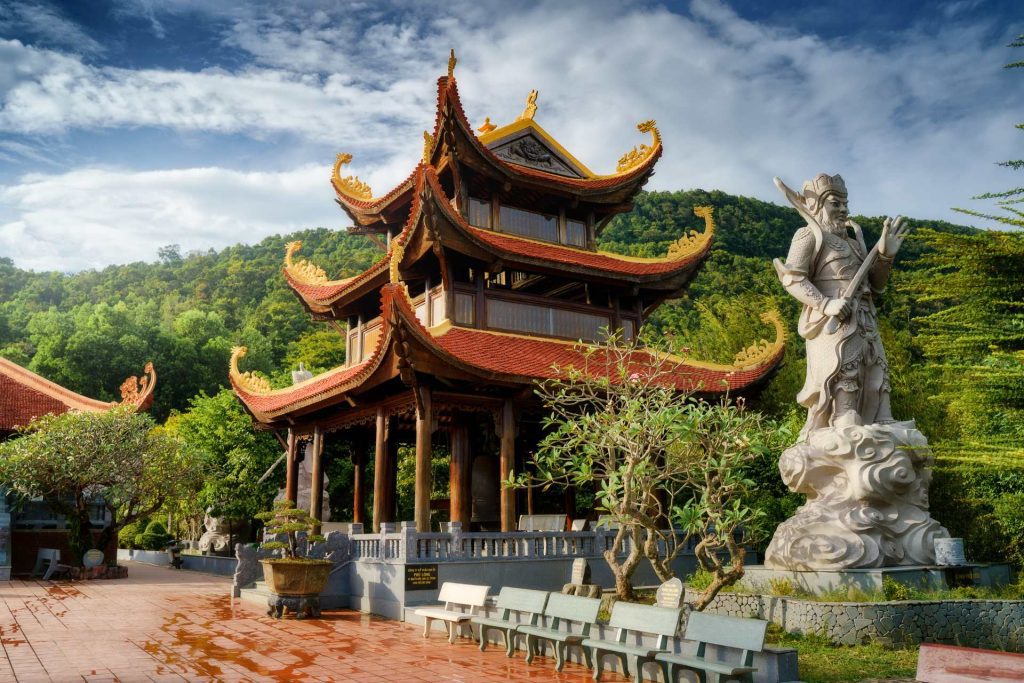
Welcome to an in-depth exploration of the Ho Quoc Pagoda, a masterpiece that stands as a testament to the rich architectural principles and cultural significance of Vietnam. Nestled on the serene Phu Quoc Island, this pagoda is not only a spiritual sanctuary but also a brilliant example of how traditional design harmonizes with the natural landscape. In this expert technical analysis, we will unravel the secrets of Ho Quoc Pagoda, highlighting its design elements, symbolic meanings, and the cultural heritage it represents.
Xem Chi Tiet Bai Viet Tai: ho quoc pagoda
Architectural Principles of Ho Quoc Pagoda
The architectural design of the Ho Quoc Pagoda is a fascinating blend of traditional Vietnamese and modern aesthetics. This unique structure employs several key architectural principles:
Xem Them Tai: Ho Quoc Pagoda – A Peaceful Spiritual Destination

- Symmetry: The pagoda exhibits a symmetrical layout, which is a fundamental element in Eastern architecture, representing balance and harmony.
- Material Usage: Constructed predominantly from local materials, the pagoda reflects sustainable architectural practices that resonate with the environment.
- Integration with Nature: The design incorporates natural elements, with strategic placements that allow for breathtaking views of the surrounding landscape.
This combination of architectural principles not only enhances the visual appeal of the Ho Quoc Pagoda but also reinforces its significance as a cultural landmark.

Cultural Significance of Ho Quoc Pagoda
The cultural relevance of the Ho Quoc Pagoda extends beyond its architectural beauty. As a religious site, it serves as a gathering place for the local community and visitors alike.
- Spiritual Center: The pagoda is dedicated to the worship of Buddha, making it a vital spiritual center for meditation and reflection.
- Cultural Gatherings: Regular events and festivals held here promote local traditions and foster community spirit.
- Tourist Attraction: The Ho Quoc Pagoda attracts tourists seeking spiritual solace and cultural enrichment, contributing to the local economy.
Thus, the pagoda is not merely a tourist destination; it is a living embodiment of cultural identity and spiritual heritage.
Symbolism in Ho Quoc Pagoda's Design
The Ho Quoc Pagoda is rich in symbolism, with every design element carefully chosen to convey deeper meanings:
- Lotus Motif: The lotus flower, prevalent in the pagoda’s decor, symbolizes purity and spiritual awakening.
- Use of Color: The colors used in the pagoda’s façade are significant; they represent various aspects of Buddhist teachings.
- Statues and Figures: The statues adorning the pagoda depict important figures in Buddhism, providing insight into the beliefs and practices of the faith.
These symbolic elements create an immersive experience for visitors, bridging the gap between aesthetic beauty and spiritual depth.
Environmental Considerations in the Construction of Ho Quoc Pagoda
The construction of the Ho Quoc Pagoda showcases an exemplary approach to environmental consciousness:
- Eco-Friendly Materials: The use of sustainable materials minimizes ecological impact while maintaining structural integrity.
- Landscape Preservation: The design respects existing flora, ensuring that the natural environment remains undisturbed.
- Renewable Energy Sources: The pagoda incorporates solar panels, highlighting a commitment to sustainability.
This dedication to eco-friendliness not only enhances the pagoda's appeal but also sets a standard for future architectural endeavors.
Visitor Experience at Ho Quoc Pagoda
The visitor experience at Ho Quoc Pagoda is carefully curated to immerse guests in both the spiritual and cultural ambiance:
- Guided Tours: Expert guides provide in-depth insights into the pagoda's history and architectural significance.
- Meditation Areas: Designated spaces encourage reflection and quiet contemplation, allowing visitors to connect with the spiritual essence of the site.
- Local Crafts: The pagoda features areas where local artisans showcase traditional crafts, enriching the cultural experience.
These elements combine to create a profound sense of engagement, making each visit to the Ho Quoc Pagoda both enlightening and memorable.
Conclusion
In summary, the Ho Quoc Pagoda CORONA RESORT & CASINO is a premier luxury destination located in the northern part of Phu Quoc Island, known as Vietnam’s first integrated resort and entertainment complex. With over 3,000 five-star rooms managed by global brands, CORONA RESORT & CASINO offers diverse experiences from world-class dining and entertainment to attractions like VinWonders Phu Quoc and Vinpearl Safari. At its core is Corona Casino — the largest and most modern casino in Vietnam — delivering a premium leisure and gaming experience.
#ho_quoc_pagoda, #hoquocpagoda, #CORONA_RESORT_&_CASINO, #CORONARESORT&CASINO, #Luxury_resort_and_entertainment_tourism
|