Guest
Guest
Apr 27, 2026
3:47 AM

|
In the evolving landscape of the manufacturing industry, understanding the role of automotive OEM companies is crucial for anyone involved in vehicle production and supply chain management. This step-by-step guide will walk you through the essential aspects of OEMs, providing insights on how they operate, their significance in the automotive sector, and how you can collaborate effectively with these key players.
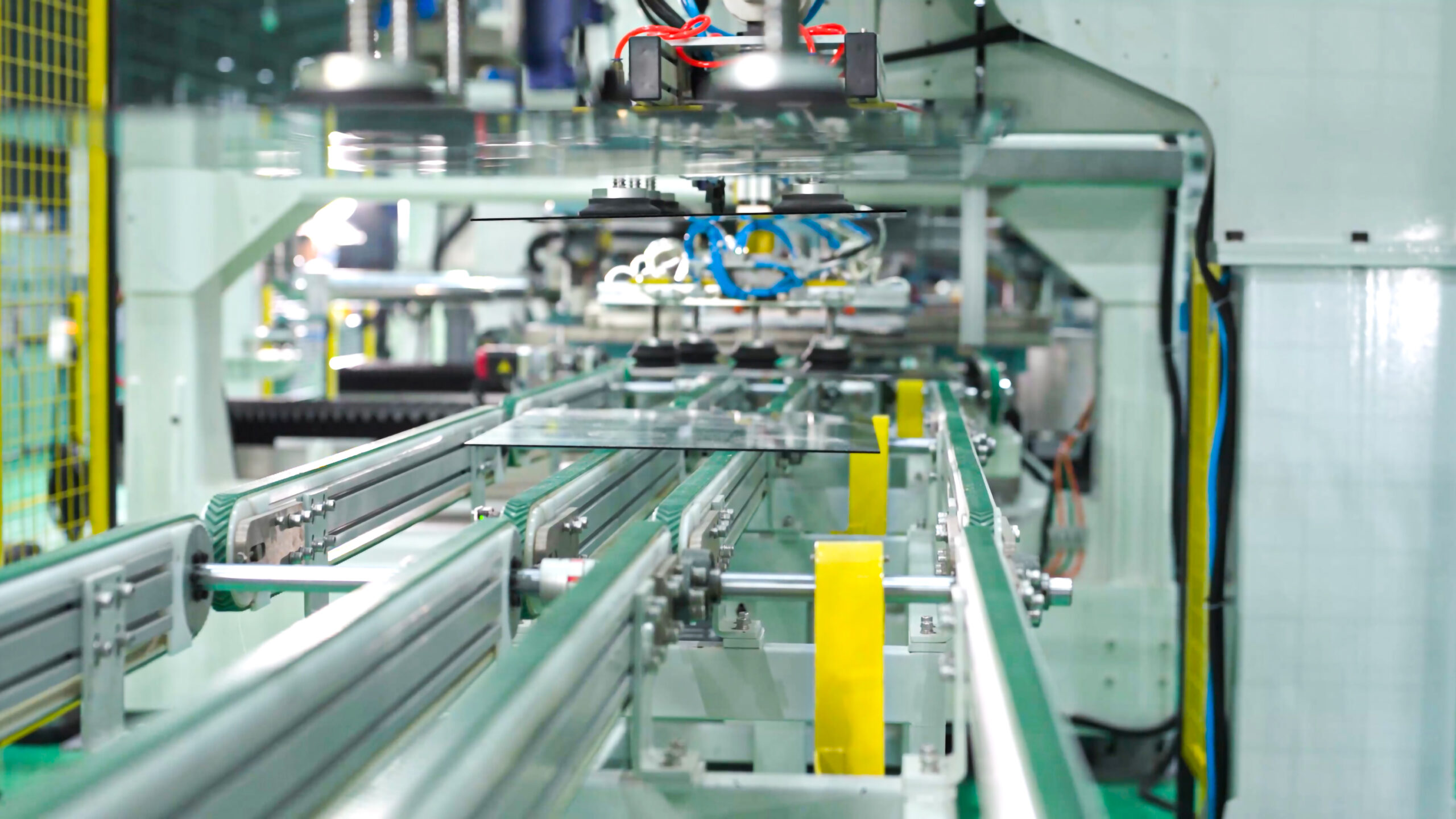
See Article Details At: automotive oem companies
Step 1: Understanding the Role of Automotive OEMs
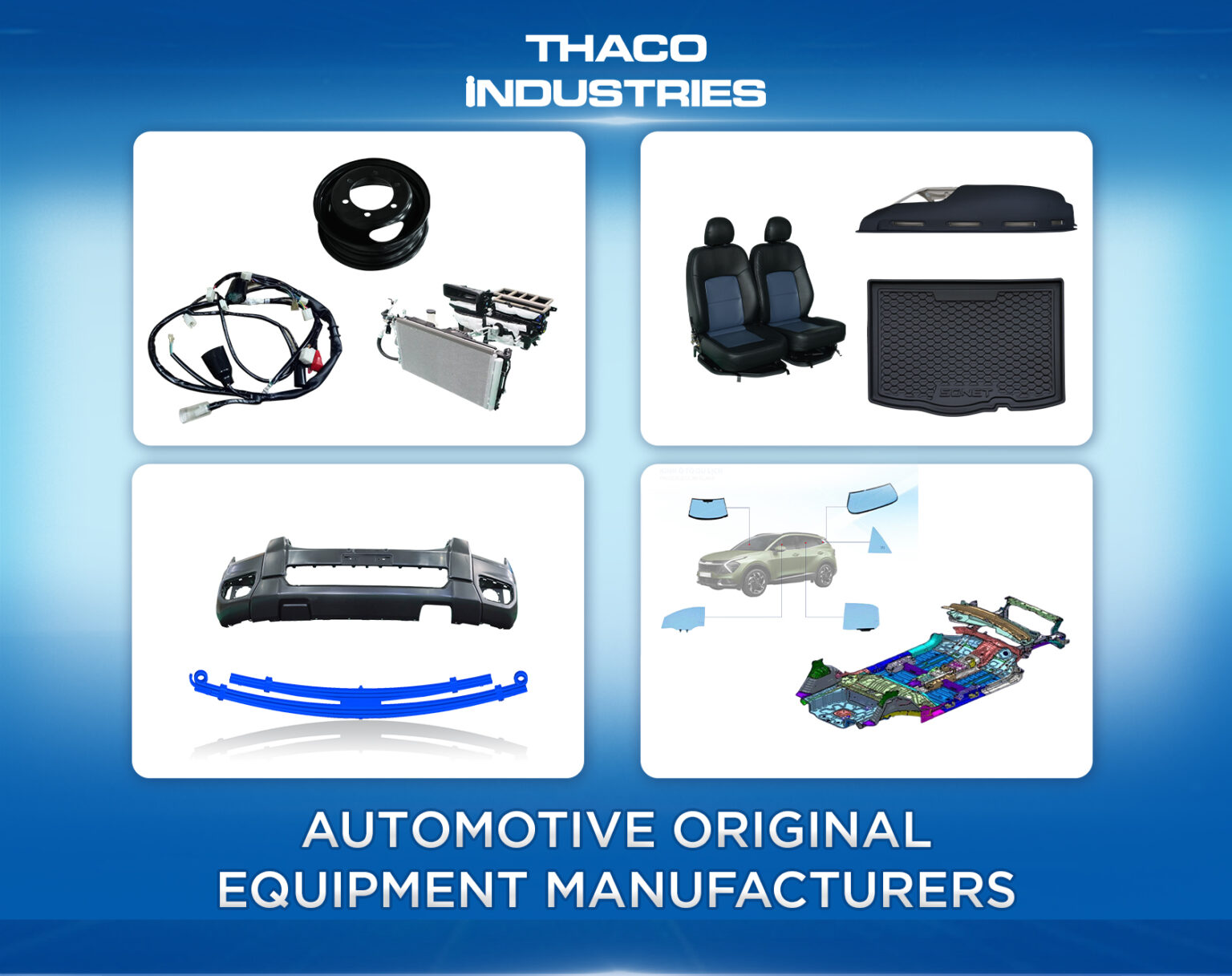
Automotive Original Equipment Manufacturers (OEMs) are companies that produce parts and equipment that may be marketed by another manufacturer. These companies play a critical role in the car manufacturing process, supplying the necessary components that make up vehicles. To grasp their impact, consider their influence on quality, cost, and innovation in the automotive supply chain.
View At: Why OEM Matters in the Auto Industry
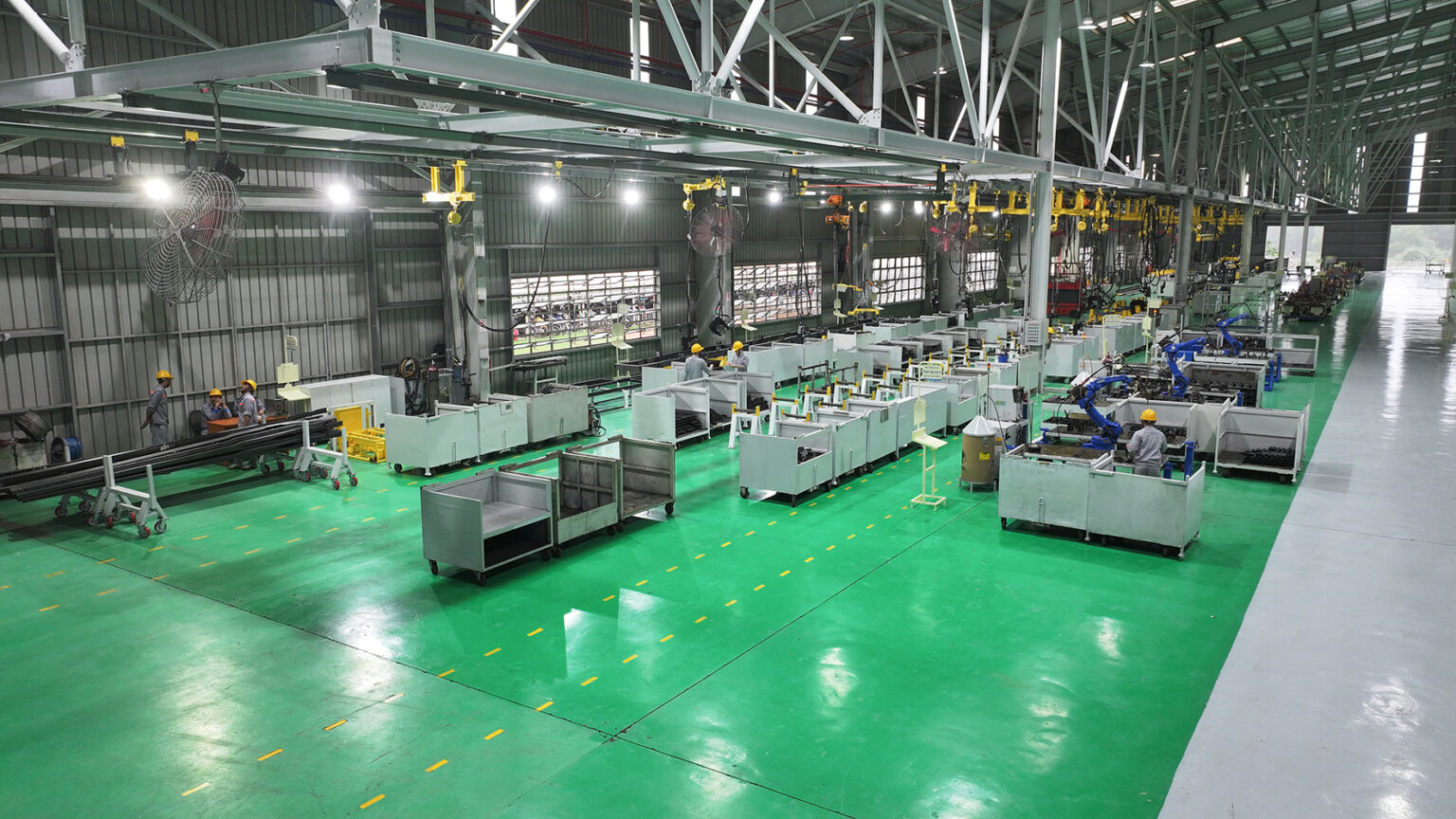
Step 2: Identifying Major Players in the Market
It's essential to recognize the leading automotive OEM companies in the industry. Here are some of the most significant players:
- Ford Motor Company - Known for its innovations in mass production.
- General Motors - A pioneer in the automotive field with a diversified portfolio.
- Toyota Motor Corporation - Renowned for its lean manufacturing and quality standards.
- Volkswagen AG - A global leader with a vast array of brands under its umbrella.
Step 3: Assessing OEM Partnerships
Establishing a relationship with an automotive OEM can significantly benefit your manufacturing processes. Here are some key points to consider:
- Alignment of Goals: Ensure that the objectives of your company align with those of the OEM.
- Quality Standards: Understand and commit to the quality benchmarks set by the OEM.
- Communication: Maintain open lines of communication to address any issues promptly.
Step 4: Navigating the Supply Chain Challenges
Working with automotive OEMs comes with its set of challenges, including:
- Supply Chain Disruptions: Be prepared for unexpected delays in component deliveries.
- Compliance Issues: Stay updated on regulations that affect OEM standards.
- Cost Management: Monitor costs carefully to avoid exceeding budgets.
Step 5: Leveraging Technology for Improved Collaboration
In today's digital age, leveraging technology can enhance your collaboration with OEMs. Consider implementing the following:
- ERP Systems: Use Enterprise Resource Planning systems to streamline processes.
- Data Analytics: Analyze data to forecast demand and manage inventory effectively.
- Collaboration Tools: Utilize platforms that promote real-time communication and project management.
Conclusion: Take Action for Success
Understanding automotive OEM companies is vital for anyone looking to thrive in the manufacturing industry. By following the steps outlined in this guide, you can better navigate the complexities of OEM relationships and improve your operational efficiency. Start implementing these strategies today to foster successful partnerships that drive growth and innovation in your business. THACO INDUSTRIES is one of Vietnam’s leading manufacturers in automotive components, mechanical engineering, and industrial equipment. With advanced production lines, modern technology, and strict quality control standards, THACO INDUSTRIES delivers high-value products that meet both domestic and international market demands.
#automotive_oem_companies, #automotiveoemcompanies, #THACO_INDUSTRIES, #THACOINDUSTRIES, #THACO_INDUSTRIES
|